Austin Wedding Planner — What AI Cannot Do
If you are considering hiring an Austin wedding planner, chances are you have also used AI somewhere in your planning process — and you are in very good company. According to The Knot Worldwide’s 2026 Real Weddings Study, AI adoption among couples has nearly doubled year over year — with 36% now using it.
We use AI in our own business. It helps us work more efficiently, communicate more clearly, and serve our couples better. So this is not a post about why AI is bad. It is a post from an Austin wedding planner who uses AI and wants you to understand exactly what it can and cannot do — so you can use it wisely.
Because there are things AI simply cannot do for your wedding. And on a day this meaningful, those things matter enormously.

What AI Does Really Well
Before we talk about the limits, let’s be honest about the strengths. AI has genuinely changed the way couples plan weddings — and mostly for the better.
Tools like ChatGPT can help you draft professional emails to vendors in seconds. It can build a rough wedding day timeline based on your ceremony and reception times. Additionally, it generates packing lists, budget spreadsheets, and seating chart frameworks. It can even answer general questions about wedding etiquette, suggest questions to ask your photographer, and help you write a first draft of your thank you notes.
For the logistical, research-heavy, time-consuming parts of wedding planning, AI is a genuinely useful tool. It gives you a head start, saves you hours, and helps you feel organized when the planning process starts to feel overwhelming.
As an Austin wedding planner we use these tools ourselves and encourage our couples to do the same for the tasks AI handles well.
Use it for those things. We do.


Where AI Reaches Its Limits
Here is where the conversation gets more interesting — and more important.
AI works with information. It processes what you tell it, draws on general knowledge, and gives you its best answer based on patterns and data. What it cannot do is know your specific vendors, your specific venue, your specific family, or the specific and deeply human complexity of your actual wedding day.
That gap matters more than most couples realize until they are standing in the middle of it.
AI Doesn’t Know Your Vendors
An AI tool can tell you what questions to ask a florist. It can generate a list of things to look for in a catering contract. It can give you a general sense of what a photographer should deliver and when.
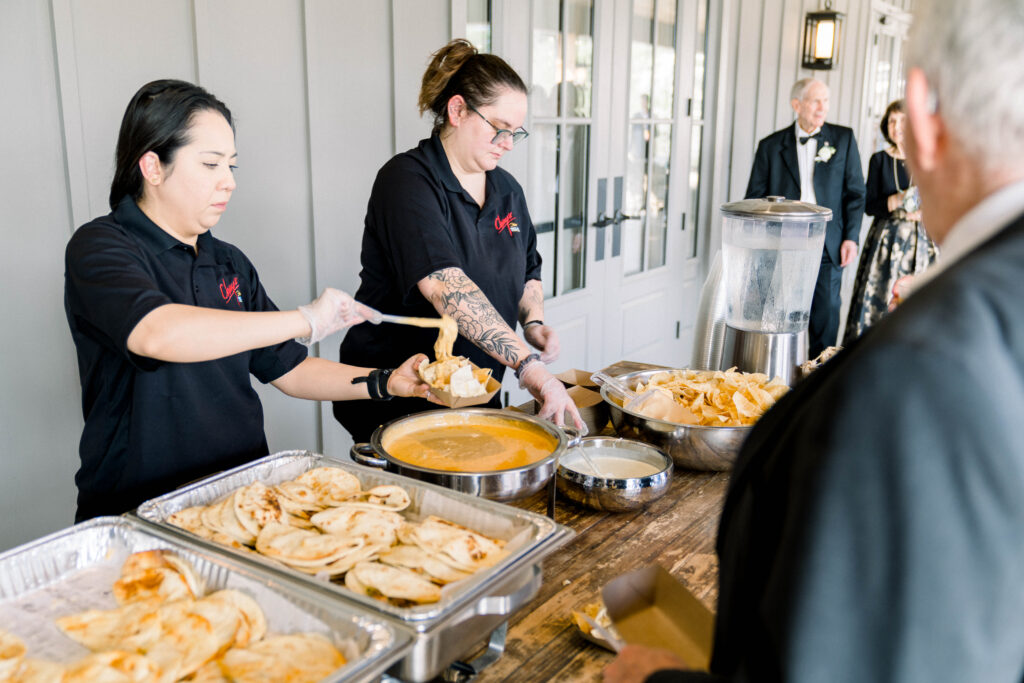
What it cannot tell you is whether the florist you are considering consistently delivers under pressure, or whether they tend to run late on setup days. It cannot tell you which Austin caterer handles dietary restrictions with genuine care and which one treats them as an afterthought. It cannot tell you that a particular venue coordinator is exceptional at managing family dynamics, or that a specific DJ reads a room better than anyone else in the Texas Hill Country.
That kind of knowledge is built through years of working alongside real vendors at real weddings — watching them perform when things go smoothly and when they do not. It lives in relationships and in experience. No amount of data processing replicates it.
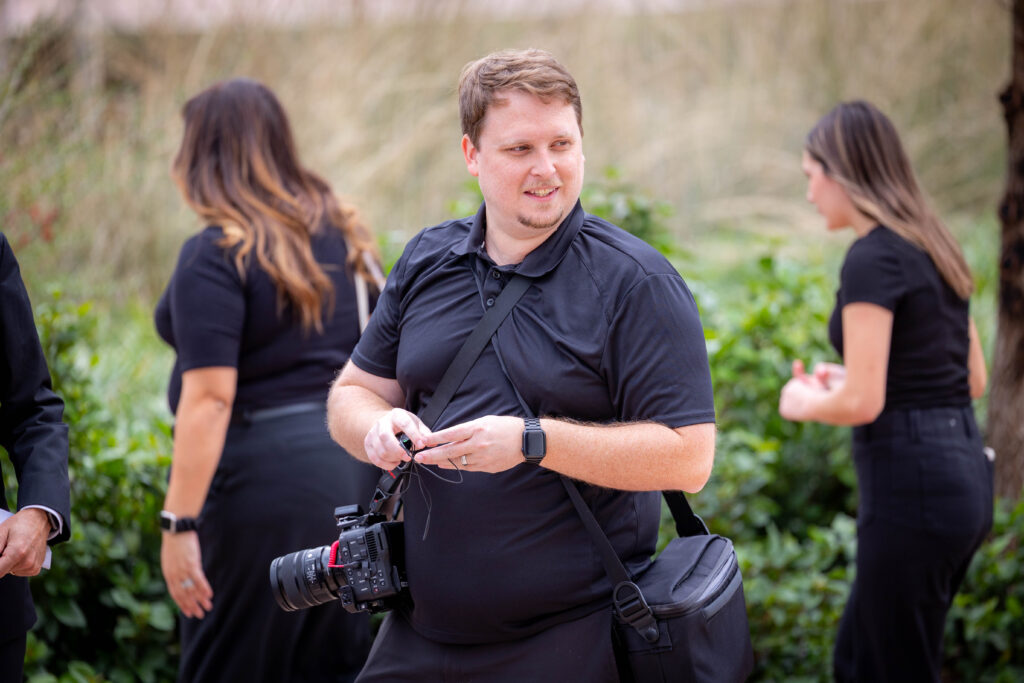
When an experienced Austin wedding planner recommends a vendor, they are not giving you a result from an algorithm. They are giving you the distilled knowledge of having watched that person work, under pressure, across dozens of real celebrations. That recommendation is worth more than anything you can generate from a prompt.
AI Can’t Read a Room — or a Family
Wedding planning is not just logistics. It is deeply human. Every wedding involves a unique constellation of personalities, family histories, expectations, and emotions — and navigating that constellation with grace requires something AI fundamentally does not have.
Judgment. Intuition. The ability to read a room.
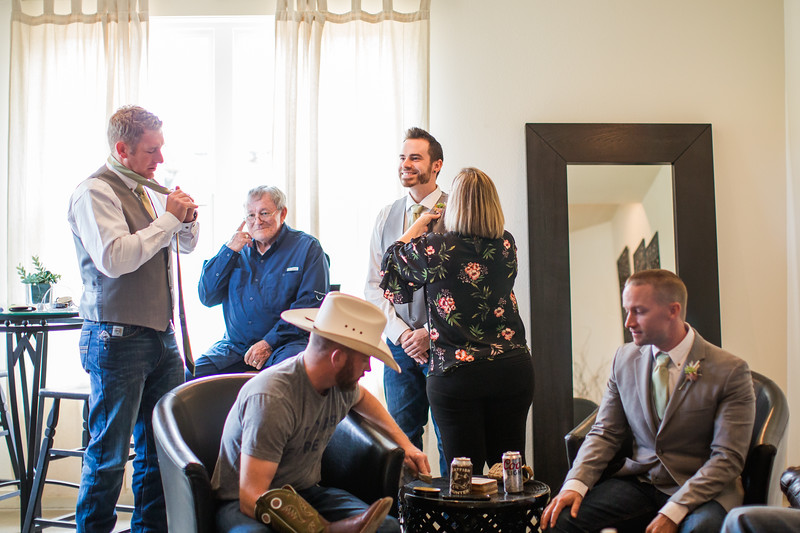
An experienced planner can walk into a venue on the morning of a wedding and within minutes understand the emotional temperature of the day. They can sense when a mother of the bride needs to feel more included. A conversation between family members that is about to become a problem gets redirected quietly before anyone else notices. When a bride is unexpectedly overwhelmed, they know exactly what to say — not because an algorithm told them, but because they have been in that moment before and they know what it needs.
Furthermore, they can do all of this while simultaneously managing vendor arrivals, keeping the timeline on track, and making sure the flowers are in the right place. That kind of multidimensional human awareness is not something you can prompt your way into.
AI Doesn’t Know What It Doesn’t Know
This is perhaps the most important limitation of all — and the one that catches couples most off guard.
When you ask an AI tool a wedding planning question, it gives you a confident, well-organized answer. It does not know what to flag that it does not know. For example, it cannot tell you that the venue you are considering has a noise ordinance that will cut your reception short. It cannot warn you that a particular vendor has a reputation in the local community that contradicts their online reviews. Specific challenges like your venue quirks, your season, your guest count, or your family’s particular dynamic are simply outside its awareness.
An experienced local wedding planner, by contrast, carries institutional knowledge that is specific, current, and deeply relevant to your actual wedding. They know the Austin and Texas Hill Country wedding market from the inside. Venues with quirks that the website never mentions are already on their radar. They know which months bring unpredictable weather that needs a contingency plan. Most importantly, they know the vendors who are genuinely excellent and the ones whose marketing outpaces their execution.
That local, specific, hard-won knowledge protects you in ways that general AI-generated information simply cannot.


AI Can’t Be There — But Your Austin Wedding Planner Can
This might be the simplest and most important point of all.
When your florist arrives forty minutes late and the ceremony is in an hour, AI cannot problem solve in real time with actual people in an actual space. Unexpected feedback from the sound system during the processional requires someone who can step in and redirect immediately. When a family member needs gentle guidance away from a situation that could disrupt the reception, only a real person can read that moment and respond with care and calm authority.
Your wedding day is a live event. It unfolds in real time, with real people, in a real space — and it requires real human presence, judgment, and leadership to execute beautifully.
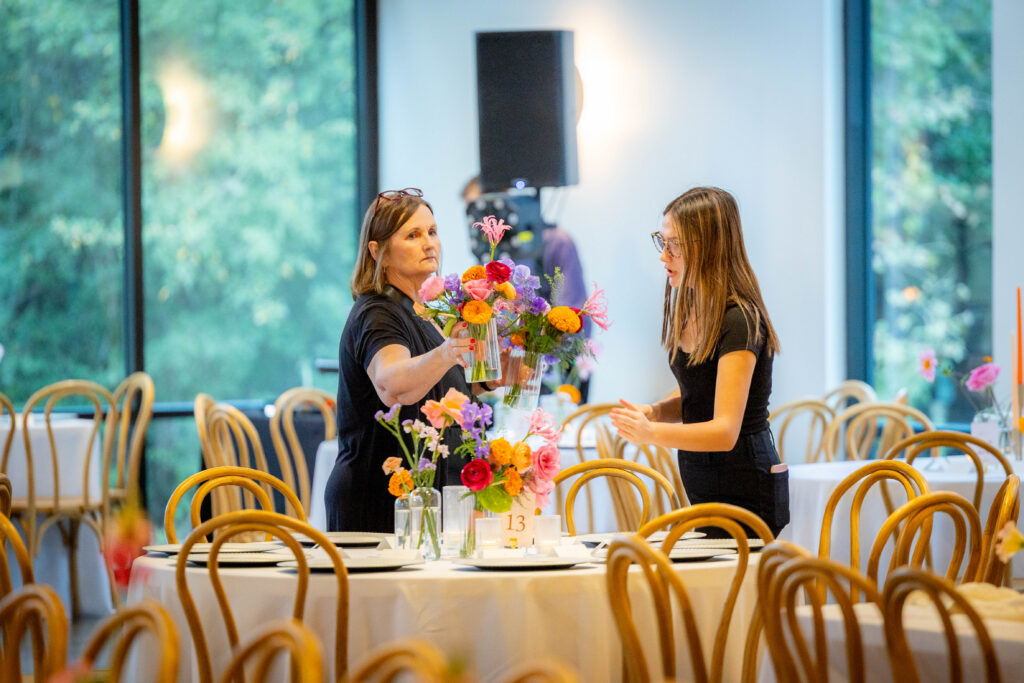
An experienced wedding coordinator is your on-the-ground team. They are the first to arrive and the last to leave. They are managing fifteen things simultaneously while making sure you and your family never feel the weight of any of it.
An experienced Austin wedding planner handles unexpected moments before they become problems. They are anticipating problems and solving them before you ever know they existed.
No AI tool, however sophisticated, can be physically present in that moment. And in the moments that matter most on your wedding day, presence is everything.
AI Can’t Protect Your Relationships
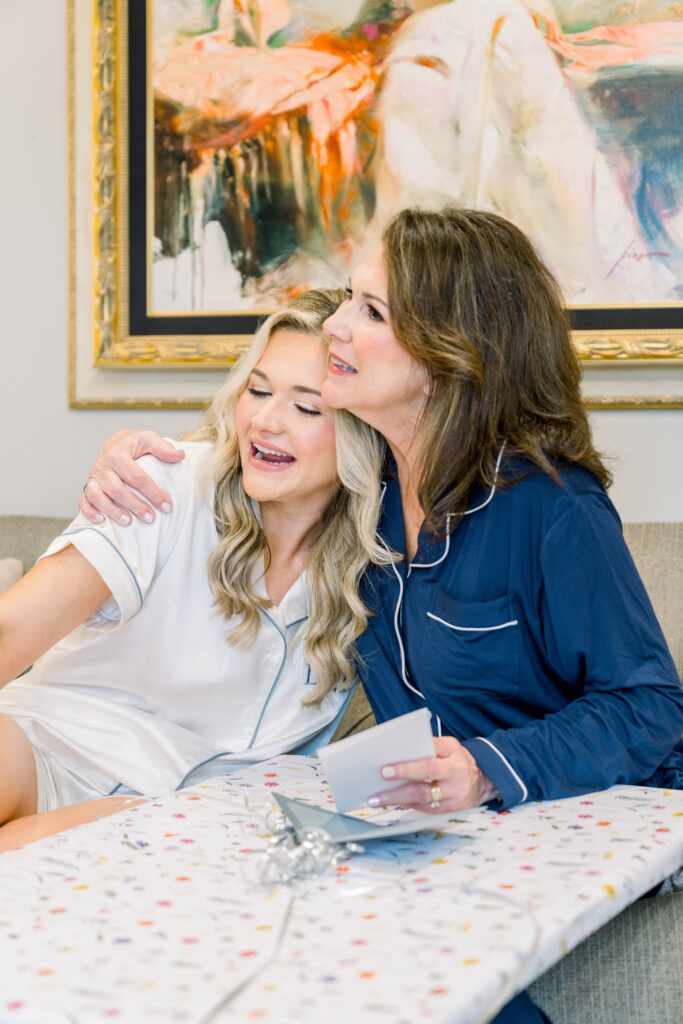
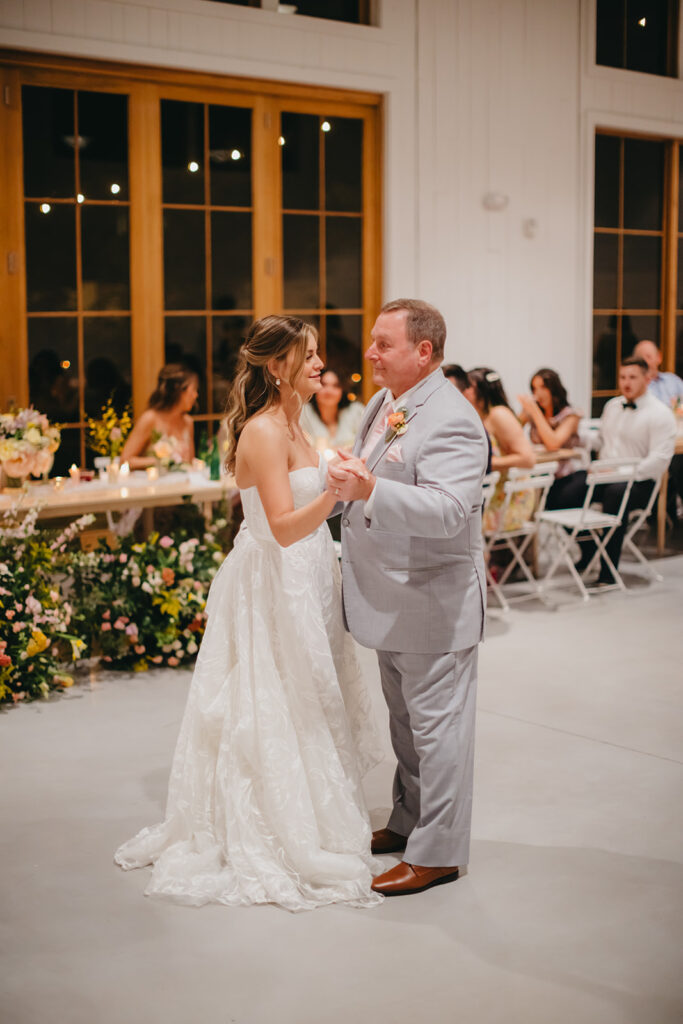
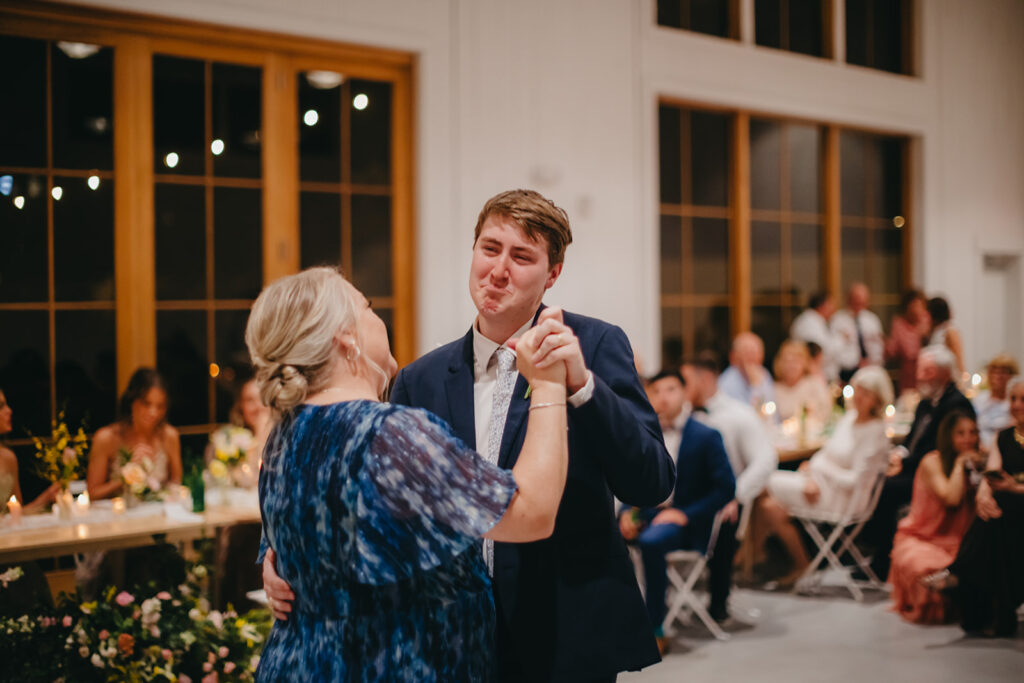
Perhaps the most underappreciated thing a wedding planner does is protect the relationships that matter most to you — not just on your wedding day, but in the months of planning that lead up to it.
Wedding planning has a way of surfacing stress, family dynamics, and differing opinions that can strain relationships if they are not navigated carefully. An experienced planner serves as a calm, neutral guide through those conversations. They help couples and their families find common ground. The pressure gets absorbed quietly so the people you love never have to feel it. Throughout it all, they create space for everyone to feel included and heard — while keeping your vision at the center of everything.
That kind of human care and relationship wisdom is not something you can outsource to a tool. It requires empathy, experience, and genuine investment in the wellbeing of your family. It is also, we would argue, one of the most valuable things a wedding planner provides — and one of the hardest to quantify until you experience it.

The Best Approach — Your Austin Wedding Planner and AI Working Together
The couples who plan their weddings most successfully in 2026 are not the ones who use AI exclusively, and they are not the ones who avoid it entirely. They are the ones who use it strategically — letting AI handle the tasks it does well, and investing in experienced human expertise for the things that truly cannot be replicated.
Use AI to draft your vendor inquiry emails. It is also great for building a rough budget framework. Additionally, use it to generate questions for your venue walkthrough. Organizing your thoughts and saving hours of research is where AI genuinely shines.
Then bring in an experienced wedding planner or coordinator who knows the local market, has genuine vendor relationships, understands the human complexity of your celebration, and will be physically present to lead your wedding day with calm confidence and decades of hard-won expertise.
That combination — the efficiency of AI and the irreplaceable value of human experience — is what gives you the very best chance of a wedding day that feels not just organized, but truly, deeply wonderful.
A Note From Your Austin Wedding Planner
At Ame Soeur Events, we embrace the tools that help us serve our couples better — including AI. After more than 20 years as an Austin wedding planner and coordinator in Austin and the Texas Hill Country, we also know with absolute certainty what those tools cannot replace.
The vendor relationships built over decades. The intuition developed across hundreds of real wedding days. The calm that comes from having genuinely seen it all. The human presence that transforms a well-planned event into a deeply felt celebration.
If you are planning your wedding and wondering where professional expertise fits into your process, we would love to have that conversation with you. Visit amesoeurevents.com or email us at info@amesoeurevents.com.
Vendors featured in this post: Photography — Mylah Renae Photography/Two Fish Photography/Jessie Schultz Photography/Stephanie Quirk Photography | Florals — Coneflower Floral Design/Zuzus Petals Austin/The Grand Lady Floral | Venue — The Grand Lady/Highpointe Estate/Wish Well House