How to Include Your Parents in Wedding Planning and Strengthen Your Relationships Along the Way
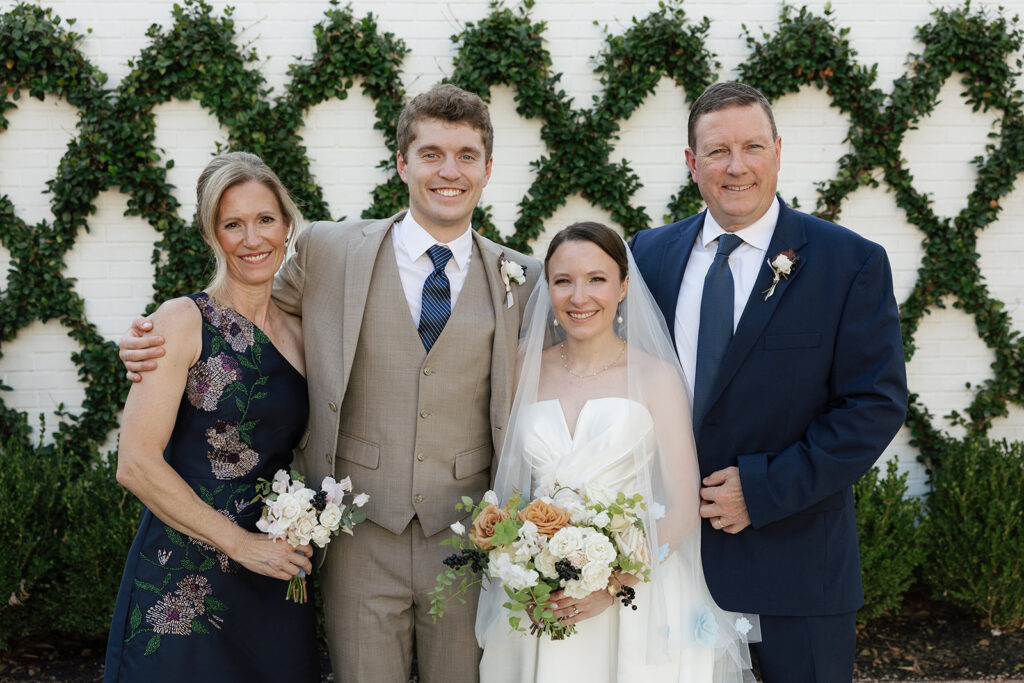
Including your parents in wedding planning is one of the most meaningful things you can do during your engagement. It is also, if we are being honest, one of the most challenging. Parents come to the planning process with love, opinions, history, and sometimes a vision that doesn’t quite match your own. When those elements collide, the result can feel more like a negotiation than a celebration.
After more than 20 years of Austin weddings, we have guided hundreds of couples through exactly this experience. We have watched families come together beautifully. We have also watched the process create tension that lingered long after the wedding day. The difference, almost always, comes down to how families are brought in from the very beginning.
This is our guide to including your parents in wedding planning. Our goal is to honor their love, respect your vision, and strengthen your relationships along the way.
Including Your Parents in Wedding Planning-Why It Matters
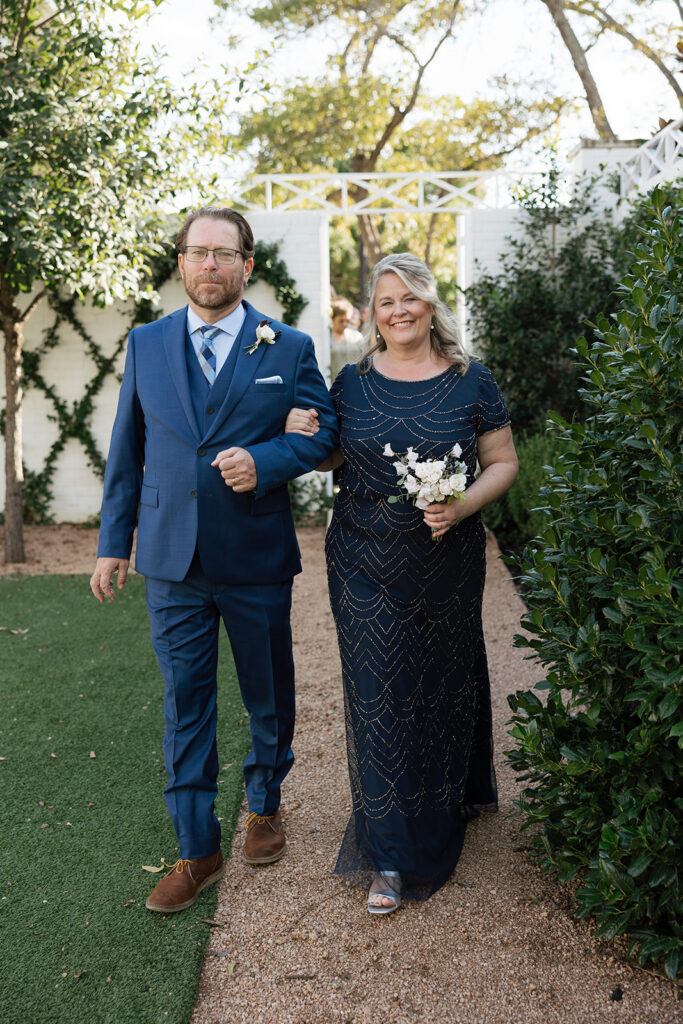
First, it helps to understand why including your parents matters so much.
For most parents, your wedding represents one of the most significant milestones of your relationship. They have imagined this day, in some form, since you were small. When they feel included, they feel valued. When they feel excluded — even unintentionally — they can feel dismissed or replaced. That hurt can create real friction during the planning process.
On the other hand, including your parents in wedding planning is not just about keeping the peace. It is an opportunity. Your parents carry wisdom, relationships, and memories that can genuinely enrich your celebration. A mother who knows your grandmother’s favorite flowers. A father who has a relationship with a venue owner you hadn’t considered. A future mother-in-law whose creative vision perfectly complements your own. When you create space for those contributions, your wedding becomes richer because of them.
The goal, therefore, is not to simply manage your parents during the planning process. The goal is to genuinely include them in a way that feels meaningful to everyone — including you.
Start with an Honest Conversation Early
The most important thing you can do is have a real conversation before any decisions are made. Have it as early as possible — before venues are toured, budgets are set, or guest lists are drafted.
This conversation has three parts.
First, share your vision. Tell your parents what kind of wedding you are imagining. Not just the logistics, but the feeling. What do you want the day to feel like? Tell us what matters most to you. And most importantly — what would make this celebration feel completely and authentically like you as a couple? When parents understand your vision, their suggestions will support it rather than compete with it.
Second, invite their input. Ask your parents what is most important to them about your wedding. This question often reveals things you would never have anticipated. Perhaps your mother has always dreamed of a specific tradition being honored. Perhaps your future in-laws have a large extended family and feel strongly about the guest list. Understanding their priorities early helps you find creative ways to honor those priorities without compromising your own.
Third, set clear expectations. This part of the conversation is the most important and also the most often skipped. Talk about how decisions will be made, whose input will be considered, and where the final say rests. This is not about shutting parents out. Give everyone a clear and honest picture of how the process will work. That way no one is surprised or hurt later
Give Your Parents a Meaningful Role
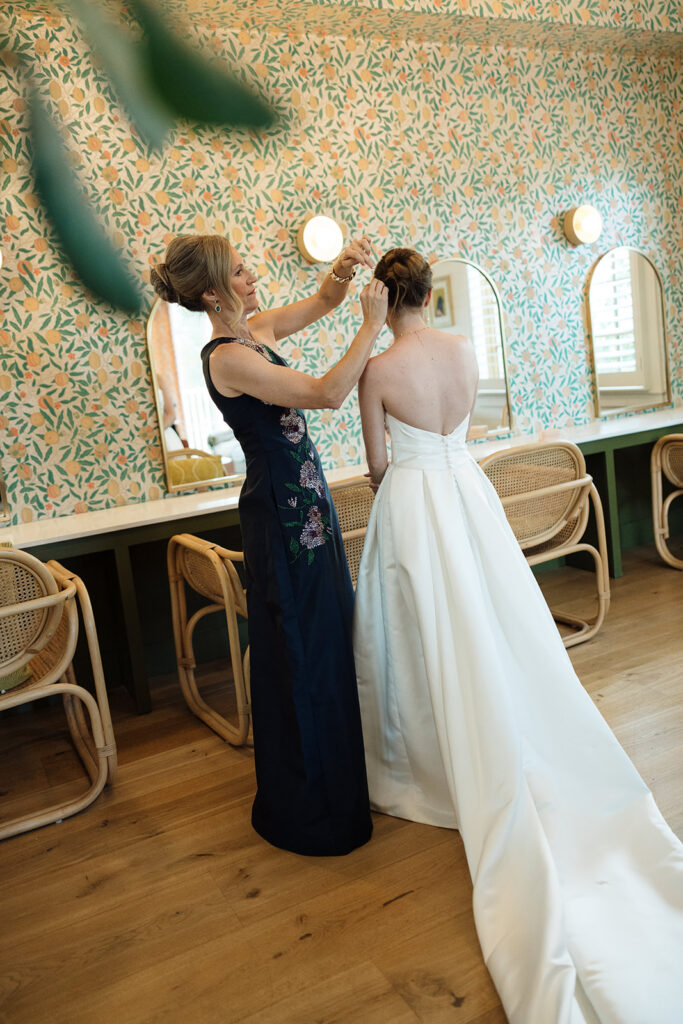
Give your parents a specific, meaningful role that plays to their strengths and interests. This accomplishes two things at once. It makes parents feel genuinely valued and channels their energy productively rather than leaving it to surface as unsolicited opinions.
Here are some of the roles we most often see parents take on beautifully:
Venue research. If your parents love visiting spaces and imagining possibilities, invite them to join venue tours. Their perspective on how a space feels for family gatherings is genuinely valuable. Exploring venues together also creates beautiful memories before the wedding day even arrives.Austin and the Hill Country are home to some of the most beautiful wedding venues in Texas.
Guest list collaboration. Parents often have strong feelings about the guest list, particularly around extended family. Rather than presenting a finished list for approval, build the guest list together from the start. Set parameters around total numbers and let each family contribute within those parameters. This approach gives everyone a sense of ownership without creating conflict over cuts.
Vendor introductions. After 20 years in Austin’s wedding community, we have seen family connections lead to some of the best vendor relationships. If a parent knows a florist, a musician, or a caterer they love, it is always worth an introduction. You are never obligated to book anyone, but an open mind can lead to wonderful discoveries.
On Your Wedding Day
Day-of hosting. On the wedding day, some parents thrive when they have a specific role — welcoming guests or coordinating family for photos. This gives them a sense of purpose and keeps their energy focused. It is particularly helpful for parents who tend toward anxiety on big days.
Personal details. Perhaps the most meaningful role of all is the personal one. Invite a parent to select a family heirloom, contribute a recipe, or share a tradition for the ceremony. These personal contributions give them a piece of the day that is truly theirs.
How to Navigate Differing Opinions
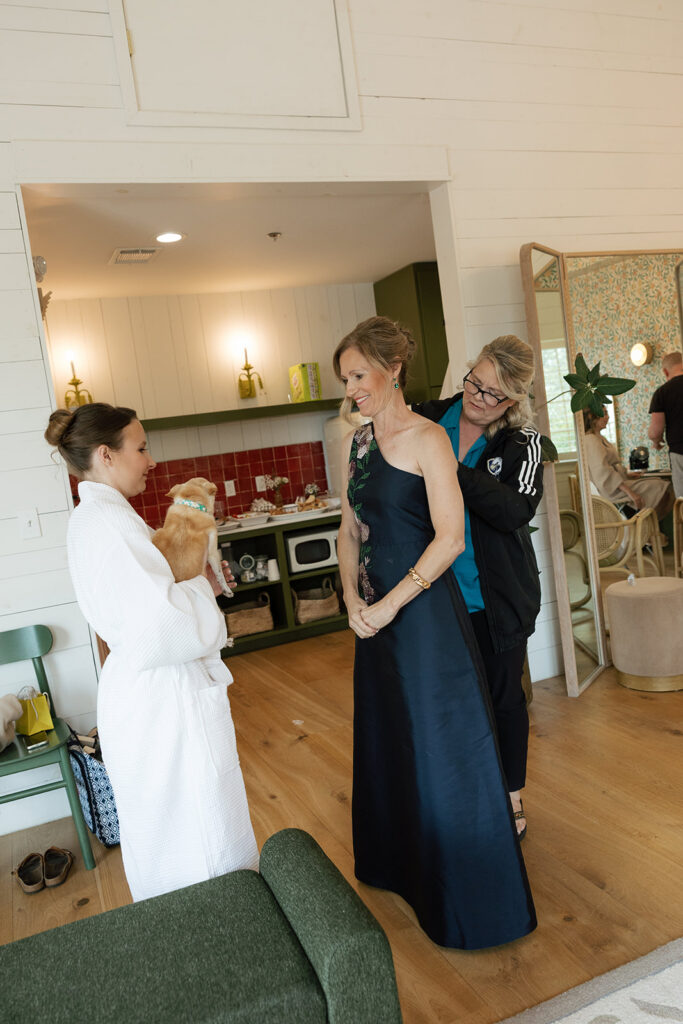
Even with the best intentions, differing opinions are inevitable when including your parents in wedding planning. What matters is not avoiding disagreement — it is knowing how to move through it with grace.
Lead with gratitude before addressing the disagreement. When a parent’s suggestion doesn’t fit your vision, the instinct is to immediately explain why it won’t work. A more effective approach is to acknowledge the suggestion with genuine appreciation before explaining your thinking. “I love that you thought of that” lands very differently than “No, that’s not what we want.” The first response opens a conversation. The second tends to close one.
Focus on the feeling rather than the detail. Most parental opinions are rooted in a feeling — elegance, warmth, tradition — rather than attachment to a specific flower or color. When you identify the feeling behind a suggestion, you can often find a different way to honor it. This is one of the most valuable skills we bring to family-inclusive planning. We practice it on behalf of our couples every day.
When to Ask for Outside Support
Bring in a neutral third party. Sometimes the most helpful thing you can do is bring in your wedding planner as a bridge. When we join family conversations, we present information in a way that feels less personal and less charged. Parents who push back on a couple’s decision will often receive the same information differently from an experienced professional. Especially one who genuinely has their family’s best interests in mind.
Know when to hold firm. There are decisions that belong entirely to the couple. The ceremony script. The first dance song. The overall aesthetic of the day. When a decision falls into that category, it is entirely appropriate to say so — kindly, clearly, and without apology. “We feel strongly about this as a couple, and we hope you can support our choice”. That is a complete and loving sentence-and it is enough.
Protecting Your Relationship as a Couple During the Process
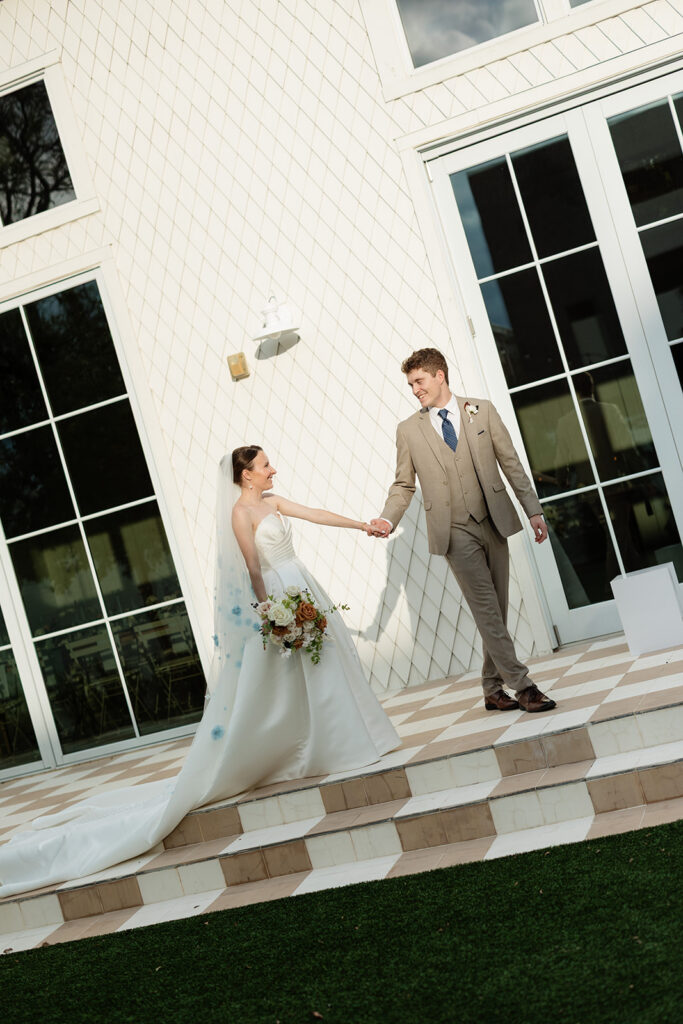
Including your parents in wedding planning is important. Equally important is protecting your relationship with your partner throughout the process. Wedding planning has a way of surfacing stress, and family dynamics can intensify that stress quickly. Wedding stress is real – and research shows it can significantly impact couples.
Check in with each other regularly. Set aside time — away from planning conversations — to simply be together as a couple. Talk about how you are feeling, not just about logistics. Ask each other what is feeling hard and what is feeling exciting. This kind of intentional connection strengthens your relationship even when planning feels complicated.
Present a united front. When it comes to family conversations, make sure you and your partner agree before those conversations happen. Work through any disagreements privately, so that when you speak to family members, you speak with one voice. This protects both of you and gives family members a clearer, more confident picture of what you want.
Remember what the day is actually for. Amid venue decisions, guest list debates, and linen choices, it is easy to lose sight of what matters most. Your wedding day is a celebration of your relationship and a gathering of the people who love you most. When the planning process starts to feel heavy, returning to that truth — together — can reset everything.
Including Your Parents in Wedding Planning — How Ame Soeur Events Can Help
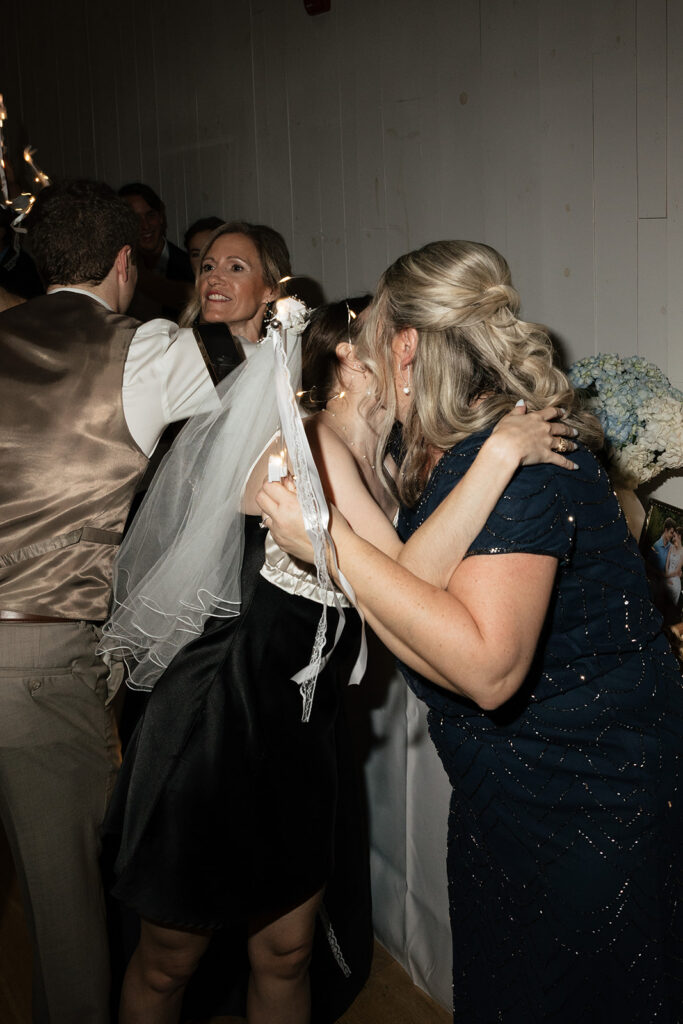
At Ame Soeur Events, family-inclusive planning is not an add-on to what we do. It runs through the foundation of everything we do. We believe a wedding is not just a couple’s day — it is a family celebration. Every decision we make reflects that belief.
Our specialty is helping couples navigate the beautiful complexity of planning with parents and loved ones involved. We guide conversations, coordinate contributions, and manage expectations. Throughout it all, we keep your vision at the center of everything.
After 20 years in Austin and the Hill Country, we have seen what happens when families feel truly welcomed. The result is always the same — more joy, more connection, and a deeply meaningful wedding day.
If you want a planning partner who truly understands family, we would love to connect.
Visit amesoeurevents.com or email us at info@amesoeurevents.com.
Ame Soeur Events serves couples and families throughout Austin and the Texas Hill Country.
Credits & Acknowledgments
A heartfelt thank you to the talented vendors whose work is featured in this post.
Photography: [Photographer Name] | @jessie.schultz | website.com
Venue: Wish Well House | website.com
Featured Couple: Madison & Adam
All images used with permission. Please do not reproduce without credit.